It’s Not Just About Exercise: What New Research Says About Weight, Food, and Modern Life
For years, we’ve been told a familiar story about weight gain and health in modern life.
“We move less than we used to.”
“We sit too much.”
“If we’d just exercise more, things would fall into place.”
And while movement does matter—for strength, heart health, mental health, and longevity—new research is challenging the idea that lack of activity is the main driver of obesity in industrialized societies.
This matters, especially for women in midlife who feel like they’re doing everything they’re supposed to be doing, and still not seeing the results they expect.
So let’s slow this conversation down and look at what the research actually found—and, just as importantly, what it doesn’t mean.
The Question Researchers Wanted to Answer
A group of researchers set out to explore a big question:
Are people in modern, industrialized societies heavier because they burn fewer calories—or because they eat more?
This might sound simple, but the process of answering this question was complex.
To do it well, researchers needed to:
Look at many different populations, not just people in Western countries
Measure calorie burn accurately, not through estimates or fitness trackers
Compare energy intake, activity, body composition, and food environments
That’s exactly what they did.
How the Study Was Conducted (In Plain Language)
The researchers analyzed data from over 4,200 adults across 34 populations on six continents. These groups represented a wide range of lifestyles, including:
Hunter-gatherer societies
Pastoralist and rural farming communities
Industrialized, urban populations
To measure how many calories people burned each day, they used a method called doubly labeled water, which is considered the gold standard for measuring real-world energy expenditure.
They also looked at:
Body fat percentage
BMI
Body composition
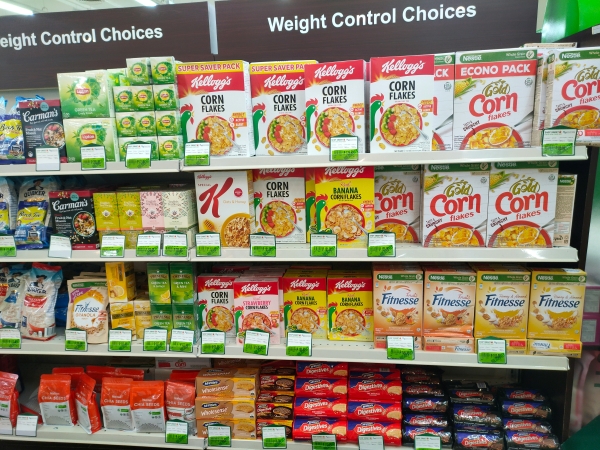
Dietary patterns, including intake of ultraprocessed foods
The study was released by Duke University's Pontzer Lab, and it wasn't a small, short-term experiment. It was one of the most comprehensive looks we’ve had at how energy balance plays out across different ways of living.
The Surprising Finding: We’re Not Burning That Much Less
Here’s the part that challenges a lot of long-held assumptions.
When researchers compared total daily energy expenditure across populations, they found that people in more economically developed societies did not burn significantly fewer calories overall.
In some cases, total and activity-related energy expenditure was actually higher in industrialized populations.
When they adjusted for body size and composition, energy expenditure did decline slightly with economic development—but the difference was small. Not nearly large enough to explain the major differences in obesity rates we see between populations.
In other words:
The idea that modern humans are heavier primarily because we’re lazy or sedentary doesn’t hold up very well under scrutiny.
That’s important to sit with.
Where the Bigger Difference Showed Up: Energy Intake
While differences in calorie burn were modest, differences in calorie intake told a much clearer story.
The researchers found that:
Estimated energy intake tended to be higher in more developed populations
Diets higher in ultraprocessed foods were associated with greater body fat
This doesn’t mean people in industrialized societies are weak, undisciplined, or constantly overeating on purpose.
It means the food environment has changed dramatically.
What Are Ultraprocessed Foods—and Why Do They Matter?
Ultraprocessed foods are products that have been significantly altered from their original form and often contain:
Refined starches and sugars
Industrial oils
Flavor enhancers and additives
Low fiber and low protein relative to calories
These foods are designed to be:
Convenient
Shelf-stable
Highly palatable
Easy to overconsume
Research consistently shows that ultraprocessed foods are easier to eat in excess because they:
Digest quickly
Don’t trigger fullness signals as effectively
Combine fat and carbs in ways that encourage continued eating
This doesn’t mean you can never eat them. It means they’re very different from meals built around protein, fiber, and whole foods.
Why This Hits Differently in Midlife
If you’re in your 40s or 50s and thinking, “Okay… that explains a lot,” you’re not wrong.
Midlife brings real physiological changes:
Gradual loss of muscle mass
Changes in insulin sensitivity
Shifts in hormones that affect appetite and energy
Less margin for under-fueling or chaotic eating
Highly processed foods tend to:
Spike blood sugar
Increase cravings
Leave you hungry again sooner
When muscle mass is already declining, diets low in protein and high in ultraprocessed calories make it even harder to feel strong, steady, and satisfied.
This is why “just move more” often feels like an exhausting and ineffective strategy.
This Study Doesn’t Say Exercise Doesn’t Matter
Let’s be very clear here.
Movement matters—a lot.
Exercise supports:
Muscle preservation
Bone density
Cardiovascular health
Mental health and stress regulation
But this research suggests that exercise alone is unlikely to counteract a food environment dominated by ultraprocessed options.
That’s not a failure of willpower. It’s biology meeting environment.
Why This Connects Directly to the New Food Pyramid
If you read the previous post about the food pyramid and thought, “Why the shift toward protein, produce, and balance?” this research helps answer that.
Modern guidance emphasizes:
Adequate protein to support muscle
Whole-food carbohydrates for stable energy
Healthy fats for satisfaction
Micronutrients from colorful foods
Not because carbs are bad.
Not because calories don’t matter.
But because food quality strongly influences intake, fullness, and metabolic health.
The Harvard T.H. Chan School of Public Health has long emphasized dietary patterns over single nutrients for this exact reason.
Put an End to the “I Must Not Be Doing Enough” Story
One of the most harmful narratives many women carry is this:
“If I were more disciplined, this would be easier.”
But when you zoom out and look at the research, a different story emerges.
You’re navigating a food environment your grandmother never had to
You’re expected to eat less while juggling more stress
You’re told to fix the problem with willpower instead of structure
This study doesn’t give anyone a free pass to ignore habits—but it does give permission to stop blaming yourself.
What Actually Helps (Without Going to Extremes)
So what does this mean in practice?
It doesn’t mean tracking forever.
It doesn’t mean cutting out entire food groups.
And it definitely doesn’t mean punishing yourself with endless cardio.
It means:
Prioritizing protein at meals
Building meals around foods that actually satisfy you
Being mindful of how often ultraprocessed foods dominate your intake
Using movement to support your body, not erase calories
These are the foundations I teach because they work with your body, not against it.
Why Awareness Beats Restriction
One of the most powerful takeaways from this research is that intake matters more than we thought, but restriction isn’t the answer.
Awareness allows you to:
Notice what leaves you hungry vs. satisfied
Adjust without shame
Choose foods that support your goals and your life
That’s very different from white-knuckling your way through another plan.
A Calmer, More Honest Conversation About Weight
This study invites a calmer conversation.
Not:
“Eat less and move more.”
But:
“Let’s look at what you’re eating, how it’s affecting you, and what actually feels sustainable.”
Not:
“Your metabolism is broken.”
But:
“Your environment changed, and your body is responding exactly as designed.”
Final Thoughts: This Isn’t About Blame—It’s About Clarity
The biggest gift of this research is clarity.
It helps explain why:
Old advice stopped working
Midlife feels different
Effort doesn’t always equal results
And it reinforces something I say often:
You don’t need to fight your body harder.
You need to understand it better.
If this post made you feel seen—or helped something finally click—you’re not alone. And if you want help applying this information in a way that fits your life, your preferences, and your goals, that’s exactly what coaching is for.
I'm here for you.
💛