Weight Loss After 40: What Actually Works for Women
Over the past several posts, we’ve looked at some of the most common approaches women use when they’re trying to lose weight after 40.
We’ve talked about:
Calorie tracking
Low-carb dieting
Intermittent fasting
Intuitive eating
GLP-1 medications
Macro tracking
Each of these approaches has people who swear by it. Each has people who say it didn’t work for them at all. If you’ve ever felt confused by the conflicting advice around weight loss, you’re not alone.
It’s easy to wonder: Which one is actually right?
The honest answer is that none of these approaches is a magic solution on its own. But each one does highlight an important piece of the bigger picture. So instead of asking which diet is best, a more helpful question might be:
What actually works long-term for women over 40?
Why Weight Loss Feels Different After 40
Many women notice that the strategies that seemed to work in their 20s or 30s don’t work the same way later in life. There are a few reasons for that. Hormonal shifts during perimenopause and menopause can influence how the body stores fat and builds muscle. Muscle mass naturally declines with age if it isn’t maintained.
Busy schedules, stress, sleep disruption, and changing family responsibilities also play a role. All of those factors mean that extreme approaches often become harder to sustain. And sustainability matters more than ever.
The One Principle Behind Every Successful Approach
Even though the strategies in this series look different on the surface, they all relate back to one underlying concept:
Energy balance.
Energy balance simply refers to the relationship between the energy your body uses and the energy you consume through food. When intake is consistently lower than your body’s energy needs, fat loss can occur.
But that’s only part of the story.
The way you create that balance matters for how your body feels and functions. And that’s where the differences between these approaches start to matter.
What Each Approach Gets Right
Instead of viewing diets as completely right or completely wrong, it’s helpful to look at what each one does well.
Calorie Tracking
Calorie tracking helps people understand how much they’re eating and how that relates to energy balance. For many people, it provides useful awareness. But focusing only on calories can sometimes ignore the importance of food quality, protein intake, and muscle maintenance.
Low-Carb Diets
Low-carb approaches often help people reduce highly processed foods and stabilize blood sugar. For some individuals, that structure works well. But eliminating or severely restricting carbohydrates long-term can be difficult for many people to sustain.
Intermittent Fasting
Fasting changes when people eat rather than what they eat. Some people find the schedule simplifies their day and naturally reduces calorie intake. Others find that long fasting windows increase hunger or lead to overeating later.
Intuitive Eating
Intuitive eating focuses on reconnecting with hunger cues and reducing food guilt. For people with a long history of dieting, that mindset shift can be incredibly valuable. However, some individuals need a period of structure before intuitive eating feels realistic.
GLP-1 Medications
Medications that affect appetite hormones can reduce hunger and help some individuals manage calorie intake. For people with certain medical conditions or significant weight concerns, they can be a helpful tool. But medication alone doesn’t build the habits that support long-term health.
Macro Tracking
Macro tracking combines energy awareness with a focus on balanced nutrition. It encourages adequate protein, balanced carbohydrates, and healthy fats. For many women, it offers both structure and flexibility. But like any system, it works best when it’s used as a learning tool rather than something that has to be done perfectly forever.
The Patterns That Actually Lead to Success
After working with women over 40, I’ve noticed something interesting. The women who see the most lasting results usually aren’t the ones who follow the most extreme plan. They’re the ones who build a handful of consistent habits.
Those habits usually include:
Prioritizing Protein
Protein supports muscle maintenance, satiety, and recovery. As women age, maintaining muscle becomes especially important for metabolism and overall health.
Strength Training
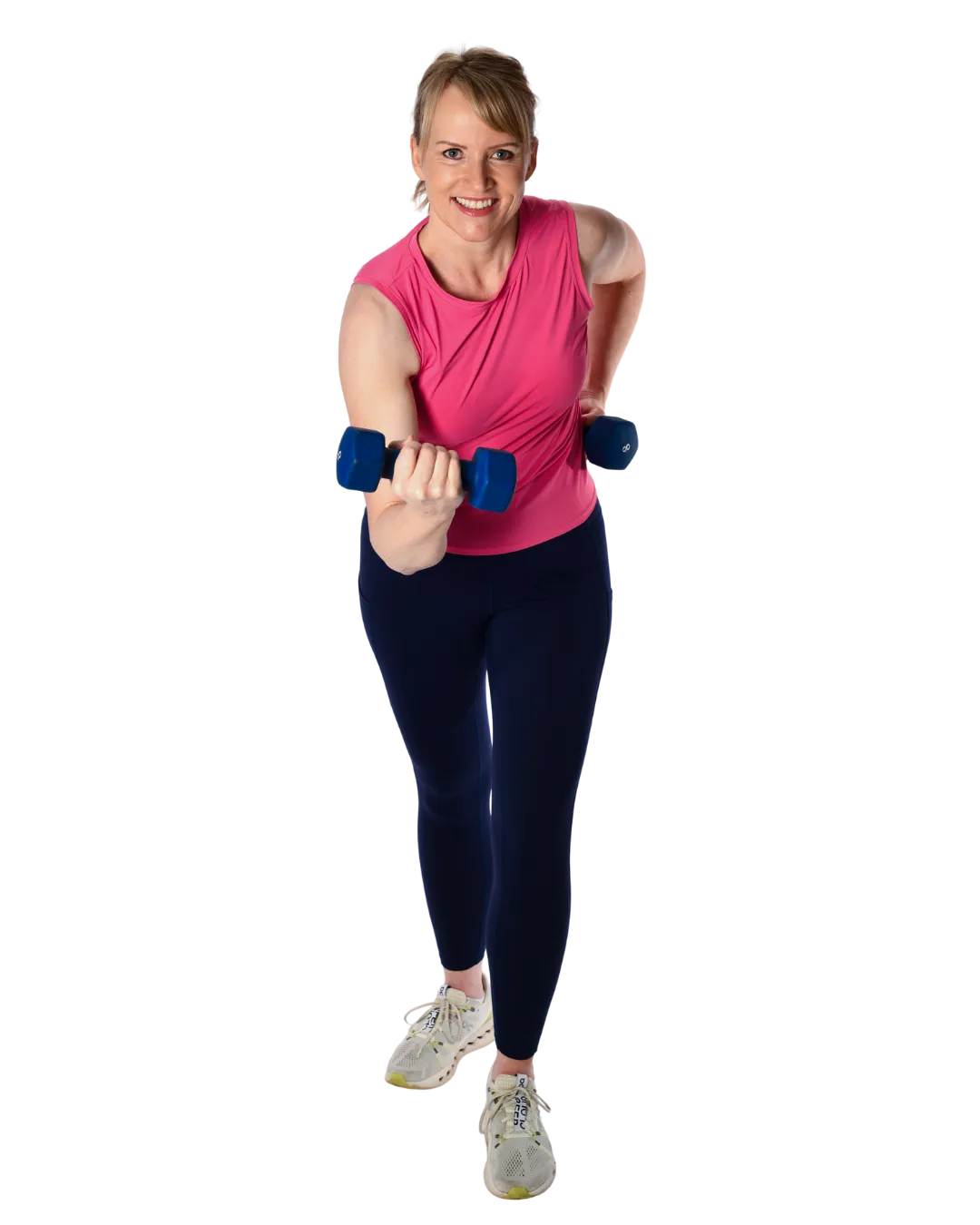
Muscle isn’t just about appearance. It supports metabolic health, bone density, and physical independence as we age. Even simple strength training a few times per week can make a meaningful difference.
Eating Balanced Meals
Meals that include protein, carbohydrates, and fats tend to support better energy levels and reduce extreme hunger later in the day. Balance often works better than restriction.
Consistency Over Perfection
One of the biggest shifts many women make is moving away from the “all or nothing” mindset. Progress usually comes from consistent, imperfect effort, not from doing everything perfectly for a short period of time.
The Real Goal
For many women, weight loss starts with a number on the scale. But over time, the goals often become bigger than that.
They want to:
Feel stronger
Have more energy
Stop thinking about food all the time
Feel comfortable in their own bodies again
Those outcomes don’t usually come from the most extreme diet. They come from sustainable habits.
A Question Worth Asking
Throughout this series, I’ve encouraged readers to consider a simple question when evaluating any weight loss approach:
Can you see yourself doing this at 55?
If the answer is no, that doesn’t necessarily mean the approach is useless. But it may mean that the strategy needs to evolve into something more sustainable over time. Because the goal isn’t just losing weight.
The goal is creating a way of eating and living that supports your health for decades to come.
The Bottom Line
There isn’t a single perfect diet for women over 40. But some patterns consistently support long-term success.
Those patterns usually include:
Understanding energy balance
Prioritizing protein
Maintaining muscle through strength training
Eating balanced meals
Building habits that work in real life
The best plan is rarely the most extreme one. It’s the one you can actually live with. And when your habits support your health, fat loss often happens naturally.
If you'd like to create a plan that works best for you, please reach out. I'd love to help!